Ways to Save on Your Motorcycle Insurance

Save on Your Motorcycle Insurance

Motorists, instead of cutting down on your coverage, cut your insurance costs.

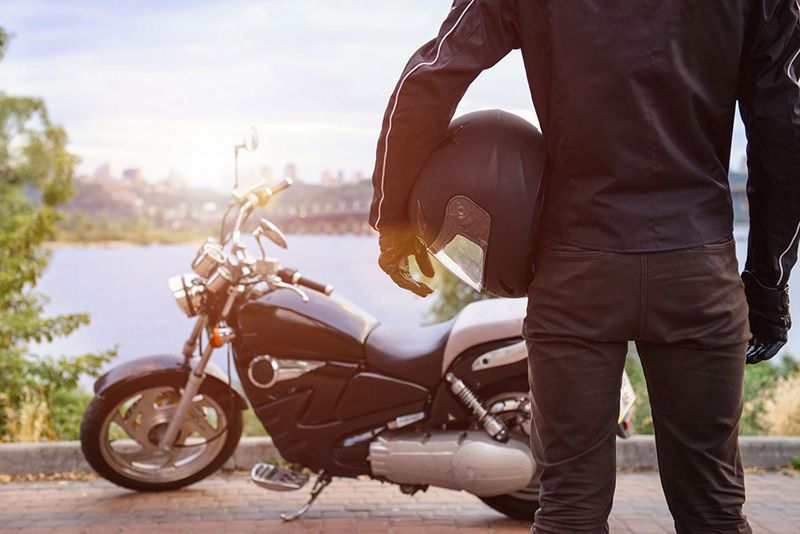
If your motorbike isn’t your primary mode of transportation, you’re likely to keep it tucked away and only hop on it for a sunny afternoon ride. While you may enjoy the thrill of this, you may hate forking out your hard-earned savings each month to keep it protected. Fortunately, there are several (effective) ways that you can save on your insurance.

Enroll in a safety course.
A safety course certificate tells insurers that you’re dedicated to being safe, and that you took extra effort in becoming a responsible driver – earning yourself a discount on insurance!

Get custom coverage.
Make sure that your policy only reflects the way you use your bike. If you store your motorcycle in the garage or keep in hibernated all winter, let your insurer know. If you only drive your bike on a sunny weekend, your insurance could be much cheaper than for someone who rides their bike to work every day.

Raise your deductible.
The deductible is the amount that you pay out of pocket after an accident. Higher deductibles mean that the insurance company assumes less risk – but you pay more out of pocket when filing a claim. Consider this cost before raising your deductible.

Pay in full.
With many insurers, if you pay your premium in full, rather than monthly, you’ll receive a discount!

Know your risks.
Love your top-of-the-line bike? Others probably do, too. The risk of theft and vandalism increases with an expensive bike, as well as having costly repairs. In turn, an insurance policy increases!

Are you ready to secure the right motorcycle insurance for your needs? Contact the professionals at All Nevada Insurance to get started on your custom coverage in Las Vegas, Nevada!

How to File a Commercial Auto Insurance Claim

File a Commercial Auto Insurance Claim

Stay ahead of the game by knowing how to handle a claim.

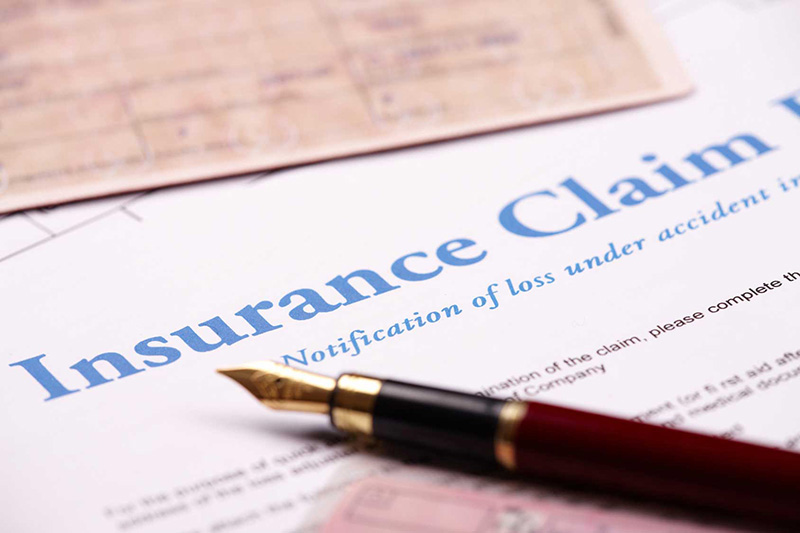
If you’re a business owner, you or your employee may drive every day. No matter how you and your team use your commercial vehicle or fleet, you could be at risk in the event of accidents on the road. When an incident happens, knowing how to file a commercial auto insurance claim will help you to save valuable time!

Check for injuries

Immediately following the crash or impact, check the people involved for injuries, and contact the appropriate authorities.

Gather information

Next, you’ll want to write down information to relay to your insurance company when making a claim:

  • The names of everyone involved in the accident
  • All vehicle license plate numbers and car information
  • The insurance information from all other drivers involved
  • All accident specifics that you can remember

It’s a good idea to take pictures of all vehicles involved, damage caused, and to jot down notes about what happened. This information could be helpful during the claims process.

Calculate

If the accident is minor and caused no damage, evaluate whether it’s worth calling your insurance company to file a claim. If the cost of the damage is lower than your deductible, it may be more cost effective to pay for the damage out of pocket.

File

When you’re ready to file your claim, call your dedicated insurance agent who can handle the ins and outs of getting you back on your feet.

Skip the search of finding the right insurer that is there for your business. To get the right commercial auto insurancecontact the experts at All Nevada Insurance, serving Las Vegas, Nevada.

What Driver’s Ed Does Not Teach Kids About Tires

Teach Kids About Tires

Tread carefully! Here’s what to teach your kids about keeping tires safe.

While Driver’s Ed classes do much in the way of teaching your teen how to drive safely, it tends to neglect the very real side of being a motorist – car maintenance. Many teen drivers today don’t know where to begin when it comes to checking the safety of their vehicle, but they can drive impeccably. To help your child feel confident on the roads, teach them about the importance of tires!

Pressure

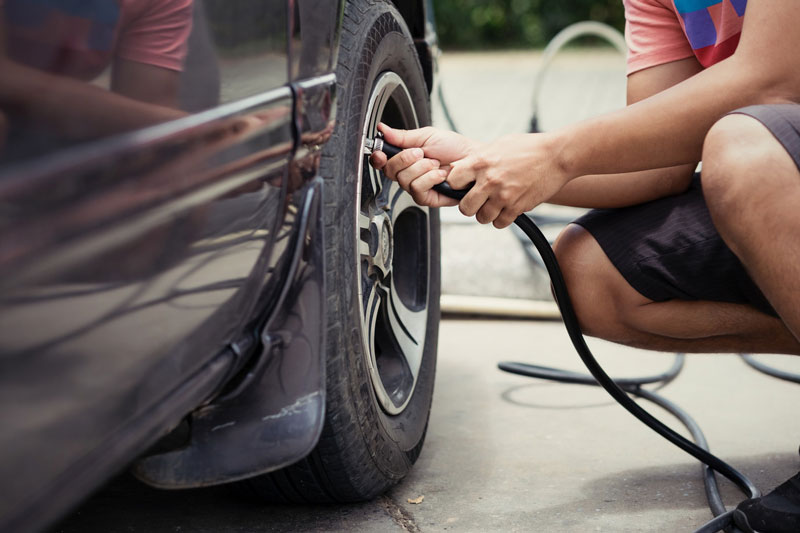
A car’s tire pressure constantly fluctuates, but it’s important that they are at the right psi (pounds per square inch). The sticker in the doorjamb will list the manufacturer’s recommended limits for tires, but it’ll be up to you to inform and instruct your child on how to check and top up the pressure. Maintaining good tire pressure can improve the fuel economy and safety for drivers of all ages.

Tread

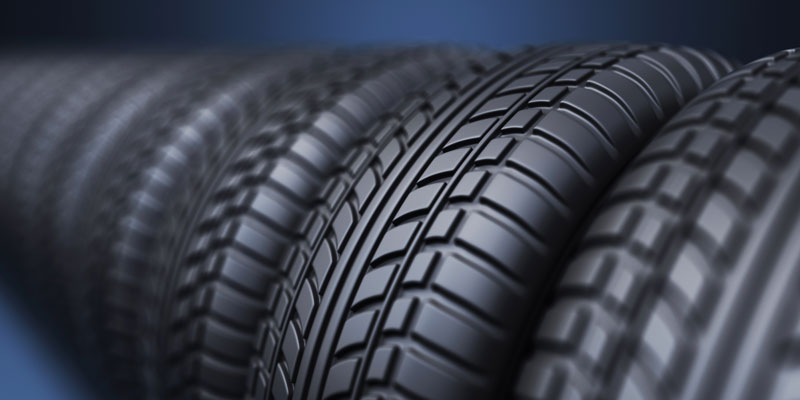
The traction that the tires maintain with the road is vital to road safety, especially in adverse weather conditions. When tires age and wear, their tread decreases, making for slick tires that could be dangerous. It’s easy enough to grab a penny or buy a tire check kit – but teach your children why it’s important and what to do if the tread is flat. It can be extremely dangerous to drive with bald tires, so getting them replaced before they reach the red is imperative.

Flat

Getting a flat tire is all part of life. Even for the safest of drivers. Make sure that your teen knows how to change a flat tire roadside so that they are prepared.

Part of keeping your teenager safe on the road is insuring them with reliable coverage. Visit All Nevada Insurance today to secure auto insurance for your teen driver. We serve Las Vegas and beyond!

Your Step-by-Step Guide for Buying a Boat

Guide for Buying a Boat

Your guide to buying your dream boat.

If you’re thinking about purchasing a boat, there’s a lot to consider first. A boat is a big purchase and an ever bigger responsibility. But, where do you get started? Check out this handy guide that briefs you through each process of buying a boat.

Assess Your Needs (and Wants)

Evaluate your needs by asking the following questions:

  • Who will use the vessel?
  • How will you use the boat? (Day trips, week-long excursions, water skiing, or just cruising?)
  • Will you use the boat year round?
  • How much can you afford?
  • Where will you use the boat?

Once you’ve asked yourself these questions, you’ll have a better idea of the type of boat you want and what you’re looking for.

Do Your Homework

In this digital age, it’s smart to make the most of it! Head online to research boats that fit your specifics, read up on terminology, and sign up for classes on how to handle a boat. Once you’ve found the vessel you’re looking for, check out the reviews online to see how other captains like it.

Get Involved

If you can, attend a boat show and start reading boating periodicals. It’s likely that sailing is your hobby, so why not learn the ins and outs of it!

Make the Purchase

When you’ve found the right boat, be sure to inspect it carefully. If you’re spending thousands of dollars on a boat, new or used, you may want to have it professionally inspected by a surveyor. If you’re borrowing money, your bank may require a surveyor to appraise your boat. Then you’re ready to take the plunge!

Insure It

Your new boat was a big investment, so it’s wise to insure it! Basic insurance coverage includes physical damage to your boat, bodily injury, property damage liability, and medical payments. You may also consider optional coverage for things such as personal effects, emergency services, and trailers.

When you’re ready to get started on securing boat insurance, visit the team at All Nevada Insurance, serving Las Vegas and beyond.

How and Why to Check Your Tire Tread

Checking Your Tire Tread

Check your vehicle’s tire tread to steer your way to safety.

Are you one of those motorists that only gets the tires checked when the car is in for a tune up? If so, it’s time to start checking tire tread more regularly. Tire tread ensures that we stay safe on the road by gripping the surface. In short, tires allow us to steer accurately, prevent hydroplaning on wet roads, and brake effectively. Without safe tire tread, the chances of accidents, incidents, and vehicle damage skyrockets.

In the United States, tire tread depth is measured in 32nds of an inch. When your tires reach 2/32”, the U.S. Department of Transportation recommends replacing them. Before you get out the tape measure, the simplest trick in the book is to perform the penny test that allows you to check whether you’ve hit the 2/32” threshold.

  • Place a penny between the tread ribs on your tire. (The rib is the raised portion of tread that spans the circumference of your tire.)
  • Turn the penny so that Lincoln’s head points down into the tread.
  • Look at eye level to see if the top of his head disappears between the ribs. If it does, your tread is still above 2/32”. If you can see his entire head, it may be time to replace your tires as the tread is no longer deep enough.
  • Check each tire and various places around each tire. Pay special attention to areas that look the most worn.

Another indicator of a worn-out tread already lives in your tire themselves. Every commercial tire comes with an indication bar embedded between the tread ribs at 2/32”. If the tread is flush with the indicator bars, it’s time to get a new set of wheels.

Along with correct tire pressure and tread comes reliable auto insurance. Skip the search of finding the right insurer for you – visit All Nevada Insurance today! Get started on securing a reliable auto insurance policy in Las Vegas, Nevada by giving us a call.

New Year, New Smarter Insurance Resolutions

Insurance Resolutions

Next year, make your insurance plans work for you!

The impending New Year is a time when many people pledge to lose weight, save more money, and be more organized. However, mid-year (or mid-January, depending on how strong-minded you are), exercise equipment gathers dust and bank savings are depleted. These are familiar signs of the way New Year’s resolutions are quickly abandoned.

There are a few resolutions that you’ll not only want to make but be prudent about, all revolving around insurance! Maintaining insurance policies suited for you allow you to save money, be protected, and have peace of mind.

To make 2017 your best year yet, here are some New Year’s resolutions to help you fine-tune your insurance policies:

See if you’re eligible for discounts
Premiums are calculated on the level of risk an insurance company must take to provide you with coverage, but there are steps you may be able to take to reduce those risks. For example, even the simple task of installing burglar alarms in your home means that your house is better equipped for breaking and entering, thus lowering your homeowners insurance premium. Also, if you have teenage drivers who are in school, they may qualify for a Good Student Discount on their car insurance.

Update your home inventory list
A comprehensive home inventory catalog allows your home and belongings to be recovered, rebuilt, and replaced after a loss. Therefore, a full home inventory can help you replace your belongings after a loss, and accurate records make it less likely that there will be a dispute between you and your homeowners insurance company during the claims process.

Repair gaps in coverage
One of the quickest ways to make your heart sink is to file a claim after a loss, then find out that you don’t have the right coverage. Certain high-value items exceed homeowners insurance coverage. This means that if damage or loss occurs, you would be left footing the bill. To cover your items, you should ensure that their value doesn’t exceed the monetary limit on your homeowners insurance policy or add additional insurance.

A New Year is a new start and a time to start over. Committing yourself to these resolutions can help provide you with peace of mind, protection, and save you money! To get started in securing the right insurance policies for your New Year ahead, visit the Las Vegas professionals, All Nevada Insurance today.

Common Car Seat Questions – Answered!

Car Seat Auto Insurnace

What you need to know about car seat safety.

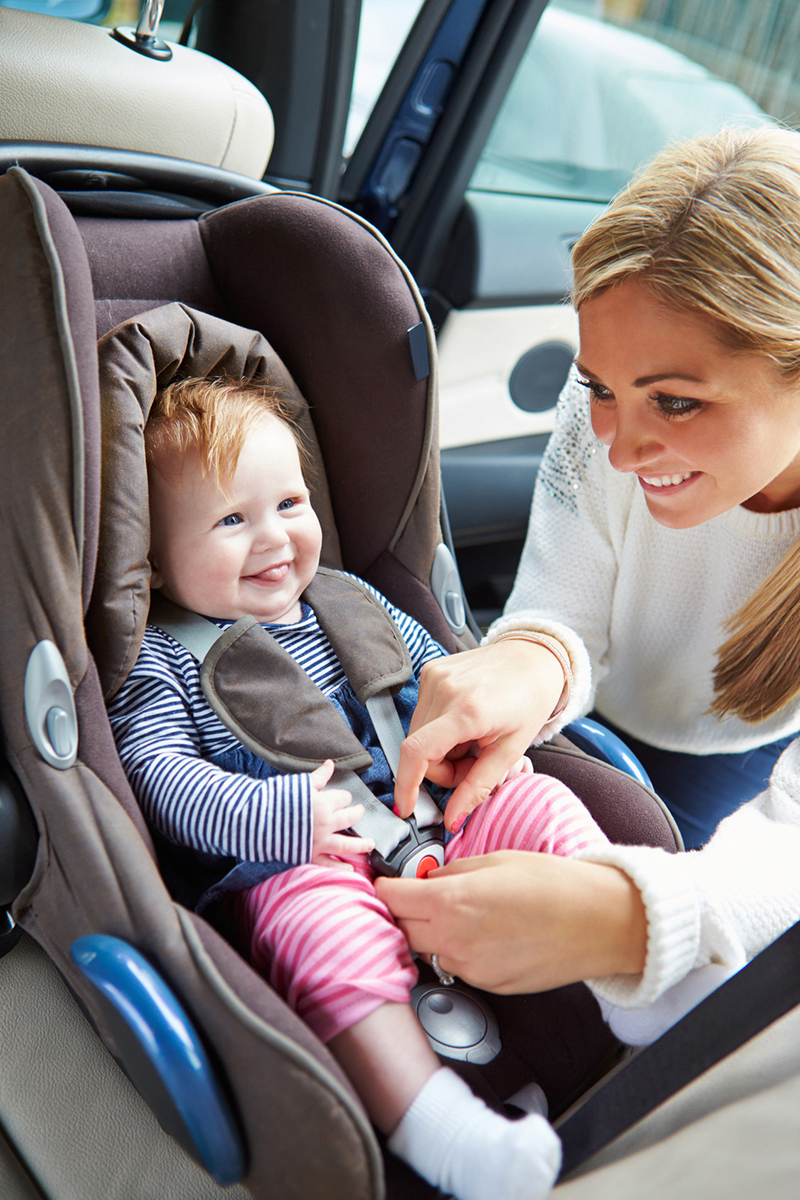
New parents have a lot on their mind. With new responsibilities and tasks that come with newfound parenthood, some of us feel completely overwhelmed when it comes to the important things, such as car seat selection, installation, and proper usage. It’s important to remember that you’re not alone in this instance.

To cover what you need to know about car seat queries, we’ve compiled a list of common car seat questions, along with the answers!

Where is the safest place to install a car seat?

Typically, the center rear seat is the safest place for a car seat. If possible, use the lower anchors and tethers to attach the car seat. If your car doesn’t have a latch connector for a middle seat, you can use the middle seat belt to secure the base properly. When installing, press down firmly on the car seat base and tighten the belt to ensure that it does not move more than an inch from side to side.

How can I be sure that my child is secure?

It’s important to keep the harness snug around your baby when in the vehicle. You can perform the ‘pinch test’ to determine if you’ve tightened it enough: if you can pinch the harness straps at the shoulder and can gather material, it’s too loose. Make sure to cinch it down.

How long can I keep a car seat?

Believe it or not, but car seats expire. This is a particularly good reason not to hang onto a car seat for too long. Similarly, it’s a compelling reason not to buy a second-hand car seat. Check the expiration date to confirm that the seat is safe for your child. You can typically find this date on the back or the side of the car seat.

With a brand new bundle of joy comes new responsibilities and priorities. To ensure that your insurance policies cover your loved ones, assets, and finances, contact the team at All Nevada Insurance. We serve Las Vegas, Nevada with the quality coverage that you need and deserve.

Safe Driving Tips for Winter Roads

Winter Driving Safety

Adverse weather, dark days, and cooler weather – handle driving through it all with these safety tips.

Driving in the winter is very different than in other times of the year. The weather and reduced visibility make it much harder for the motorist to commute without any trouble. Sometimes conditions can be extreme, as we have found over the recent winters. Because of this, we need to adapt the way we drive and how we maintain our vehicles.

Read on for the essential safety tips for this year’s winter roads!

Prepare Your Vehicle

It’s a good idea to have your vehicle fully serviced before winter starts and have the antifreeze tested. If you can’t have it serviced, do your own checks.

  • Make sure the lights are clean and in working condition.
  • Charge the battery if necessary.
  • Check that the tires’ tread and pressure are in good condition.
  • Be sure that the brakes are working well.
  • Test the windscreen wiper blades.
  • Top up fluids, such as antifreeze, oil, and windscreen wash.

Driving in Winter Weather

If you find yourself driving in hazardous weather, adapt your driving with these tips:

  • Reduce your speed. The chances of you skidding are much greater and your stopping distance increases dramatically when you speed.
  • Only travel at a speed at which you can stop promptly. Speed limits are the maximum in ideal conditions. In difficult conditions, they can often be too high to travel.
  • Avoid hard braking and acceleration, or sharp steering.
  • Road surfaces may be wet. Take care when driving after it has rained, as oil can lie on the surface.
  • Use your headlights during dusk and dawn to see and be seen by other vehicles on the road.

Don’t wait until you have a seasonal disaster to find out that your auto insurance coverage doesn’t cover the incident. Talk to the professionals at All Nevada Insurance to secure a reliable policy to suit your needs and budget.

How to Handle a Hit and Run Accident Without Losing Your Cool

hit and run auto insurance las vegas nv

Are you the victim of a hit and run? Here’s how to handle the situation.

You always hope that there are no injuries in the event of a car accident. Even so, there are a lot of emotions that can exacerbate the situation. That’s why a hit and run accident can leave you feeling physically and emotionally debilitated. If the driver that hit you speeds off, learn what you can do to minimize further damage.

Do not chase after the vehicle. While it’s tempting to hunt down the driver that left you roadside, driving after him or her can be dangerous. It’s best left to the professionals to take care of that situation. If you’re able, note down any information about the vehicle and which direction it was heading.

Record eyewitness information. If there are any witnesses at the scene, or if there were other people in your car at the time of the accident, ask if they remember anything about the vehicle and situation. The more information that you can gather for the police, the better.

Gather information. Take pictures of the damage to your vehicle and record the date, time, location, and whole incident.

File a police report. The police need to have all of the information on record to assist in finding the guilty party in the car accident. Be honest with the investigating officers and if you’re not sure of any details, let them know. Furthermore, a police report will help you to file an insurance claim.

Contact your insurance agency. Let your insurer know that you’ve been involved in a hit and run accident. Information and the police report will help in compiling your claim together.

Uninsured/underinsured motorist coverage protects you against both financial and non-financial losses sustained as a result of an uninsured, underinsured, or hit-and-run driver. Does your auto insurance provide this basic coverage that protects you? Visit the professionals at All Nevada Insurance for your auto insurance coverage in Las Vegas and surrounding cities in Nevada.

Shopping for a Safe Car? Use These Tips

Life Insurance Mistakes Las Vegas NV

A car can keep you safe for many years to come. Purchase the right one.

Whether you’re making the most of the end of year sales or buying a car for your new teen driver, you’re likely to shop around at dealerships. When a new car is on your wish list this festive season, you’ll want to keep safety in the forefront of your mind.

Not only do vehicles vary in size and color, but they also differ in safety! There are important safety differences, and some vehicles are more protective than others. Many automakers offer safety features beyond the required federal minimums.

Keep these signs in mind when shopping for a safe car!

  • Size – The laws of physics dictates that larger and heavier cars are safer. While Smart Cars (those tiny cars!) are great for island driving, they could be at risk of complete destruction if they were involved in a freeway crash with SUVs. However, bigger isn’t always better! Big cars guzzle more fuel, are inconvenient to drive, and tend to be more expensive than smaller cars. Aim for the size that you need – not what you want.
  • Performance – High-performance cars can tempt you to drive faster. Before buying your teenager a nifty sports car, you should consider the likelihood of them going above and beyond the speed limit.
  • Structure – Ask the dealer about a car’s safety cage. The crumple zone should be sufficient and the materials used shouldn’t be flexible or cheaply constructed. If the front and rear crush zones are inadequate, the likelihood of severe injuries increases rapidly.
  • Restraint systems – Belts, Airbags, and restraints all work together with a vehicle’s structure to protect passengers in serious crashes. In some cars, there will be a simple belt and passengers and driver airbags. More and more cars are now installing multi-way belts for added protection for children and babies, as well as side airbags. Look for the car with more added restraint systems!
  • Daytime running lights – By having low beam headlights on during the day, the visibility of the car is increased. In turn, a crash is less likely to happen to those with daytime running lights.
  • Anti-lock brakes – These prevent brake lock ups and allow you to keep the car in control!
  • Crashworthiness – See how cars faired up in crash ratings here.

The price of safety doesn’t have to come with a hefty price tag. Once you have secured the ideal, safe car for you and your family, receive a reliable and protective auto insurance policy! Contact the team at All Nevada Insurance in Las Vegas, Nevada for the coverage that you and your vehicle deserve.